
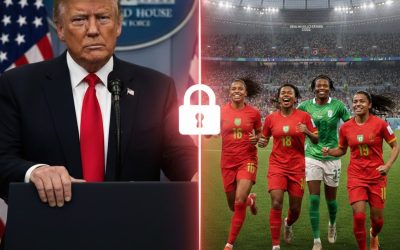
As preparations accelerate for the FIFA World Cup 2026, FIFA has finally addressed growing uncertainty around U.S. travel rules, following clarification from the United States Department of State under the Donald Trump administration.
With the tournament set to unfold across the United States, Canada, and Mexico, fears had intensified that geopolitical policy could disrupt the competition itself. Those concerns have now eased—at least on the field.
Who Is Cleared to Enter the United States?
A newly issued State Department directive confirms a “Major Sporting Event” exemption tied directly to the World Cup. Under this provision:
-
Players and coaches from all 48 qualified nations are guaranteed entry
-
Essential team staff and immediate family members are included
-
Official FIFA delegates and tournament personnel are authorized to travel
The exemption ensures that no qualified team will be prevented from competing, even as broader visa restrictions remain in force for nearly 40 countries.
Fans Left Outside the Gate
While football’s biggest stars are cleared for kickoff, international supporters face a far tougher reality.
Spectators, non-essential media, and commercial partners from restricted countries are not covered by the exemption. For many fans—particularly from traditionally well-travelled nations—the window to attend matches in the U.S. effectively closed on January 1, 2026, unless visas were already secured.
This has placed renewed pressure on FIFA leadership, including president Gianni Infantino, to defend the tournament’s global and inclusive identity as kickoff approaches.
Why This Matters Beyond Football
From an SEO and audience-demand standpoint, searches related to World Cup 2026 visas, travel rules, and U.S. entry requirements are surging worldwide. The upcoming rollout of the Priority Appointment Scheduling System (PASS) is expected to fuel another spike as ticket holders race to understand eligibility and timelines.
Behind the scenes, the White House World Cup task force—chaired by Andrew Giuliani—has reiterated that the United States is prepared to host the world, while Homeland Security Secretary Kristi Noem has emphasized strict enforcement for overstays.
A Door Half Open
The message heading into summer 2026 is clear: the game will go on, but not everyone will be able to follow it in person.
Players will take the field. Stadiums will fill—though unevenly. And off the pitch, the balance between national security and global sport will remain one of the defining narratives of the most politically complex World Cup in history.


 Speid and Jamaica’s Quiet Belief on the Road to World Cup 2026
Leave a Reply