
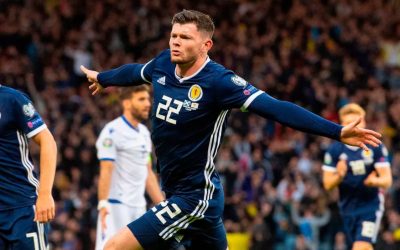
As Scotland’s road toward 2026 sharpens, a familiar name has quietly returned to the discussion. Oliver Burke, absent from the national setup for years, is again being considered as coaches assess how best to add variety and impact to the squad.
The reasoning is less about nostalgia and more about profile. Burke offers attributes Scotland can lack at times — raw pace, direct running, and the ability to disrupt organized defenses late in matches. In qualification campaigns where games are often tight and margins small, those qualities can carry outsized value.
Related: World Cup 2026 Explained: Teams, Format, Host Cities & What’s New
Scotland’s current options out wide are solid but not abundant. That reality has reopened questions about whether a different type of attacker could complement the existing group, particularly against opponents who defend deep and concede little space between the lines.
Any potential return would be pragmatic rather than symbolic. International football rarely allows time to build rhythm, and players who can change the dynamic quickly often earn renewed relevance, regardless of recent history.
With the expanded FIFA World Cup placing greater emphasis on squad depth and adaptability, Scotland’s selection debates are likely to remain fluid. Burke’s reappearance in the conversation is a reminder that qualification plans are shaped as much by tactical needs as by form charts.
For now, it remains a discussion rather than a decision — but it reflects how quickly international priorities can shift when the stakes rise.


 Where Football Careers Are Really Decided: The Second Contract
Leave a Reply