
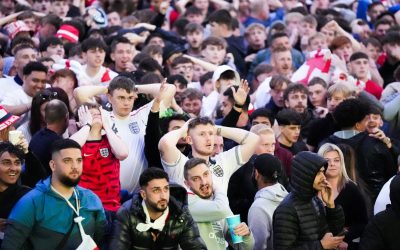
The loudest protests in modern football are no longer aimed at rival fans or referees. They’re aimed upward—toward the people who run the game.
Across leagues and continents, supporters are pushing back. Against governing bodies. Against ownership models. Against decisions that feel distant from the people football was built for. What once simmered in online forums now spills into stadium chants, walkouts, banners, and boycotts.
This isn’t a temporary mood swing.
It’s a structural backlash.
Football authorities are facing growing resistance because fans increasingly believe the game is being managed for scale, not for meaning.
Related: World Cup 2026 Explained: Teams, Format, Host Cities & What’s New
The Trust Gap Has Widened
For decades, football governance relied on implicit trust. Fans didn’t need to understand how decisions were made—as long as the game felt fair, accessible, and authentic.
That trust has eroded.
Fixture expansions arrive without consultation. Ticket prices rise faster than wages. Kickoff times prioritize broadcasters over matchgoing supporters. Rule changes feel imposed rather than explained.
Fans no longer feel represented. They feel managed.
And when trust disappears, every decision—good or bad—is interpreted through suspicion.
Related: FIFA Cuts World Cup Ticket Prices to $60 After Global Backlash
Commercial Growth Has Outpaced Fan Consent
Football’s global growth has been extraordinary. But growth without consent creates friction.
Supporters understand that money sustains the game. What they reject is the sense that commercial logic now overrides football logic entirely.
Expanded tournaments, preseason tours across continents, and relentless scheduling are sold as “growth opportunities.” For fans, they often feel like dilution.
More matches, fewer moments.
More exposure, less intimacy.
The backlash isn’t anti-growth. It’s anti-extraction.
Fans Feel the Game Is Being Taken Away From Them
Perhaps the most emotional driver of backlash is displacement.
Local supporters struggle to attend matches they built traditions around. Historic kickoff routines vanish. Ticket access shrinks. Atmospheres are curated for television rather than lived experience.
Football still belongs to everyone—but it no longer feels like it belongs to anyone.
When fans feel like guests in their own stadiums, resistance is inevitable.
Governance Decisions Are No Longer Abstract
In the past, governance debates lived far from the pitch. Today, they shape the matchday experience directly.
Calendar congestion leads to fatigued players and rotated lineups. VAR protocols affect celebrations. Ownership rules change club identity. Financial regulations decide who competes—and who doesn’t.
These aren’t technical issues anymore.
They are emotional ones.
Fans react because governance decisions now touch what they love most: how football feels.
The Perception of Inequality Is Fueling Anger
Nothing accelerates backlash like perceived unfairness.
When certain clubs gain structural advantages, when financial power appears unchecked, when punishments feel inconsistent, fans draw conclusions quickly—often harshly.
Football thrives on competitive belief. When supporters sense outcomes are shaped more by balance sheets than merit, cynicism replaces hope.
The backlash isn’t always precise—but it is rooted in fear of inevitability.
Transparency Is Expected—and Rarely Delivered
Modern fans expect explanation.
They want to know why changes are happening, who benefits, and what trade-offs were considered. Silence or vague messaging is no longer acceptable.
When authorities communicate poorly, they create a vacuum. That vacuum is filled by anger, speculation, and mistrust.
In an era of constant information, opacity feels intentional—even when it isn’t.
Social Media Has Changed the Scale of Dissent
Backlash used to be local. Now it’s global.
Fans coordinate across borders, share strategies, amplify protests, and sustain pressure beyond single matches. What once would have faded after a weekend now persists for months.
This doesn’t just amplify emotion.
It organizes it.
Football authorities are facing backlash not because fans are louder—but because they are connected.
Fans Aren’t Rejecting Football—They’re Defending It
This distinction matters.
Protests, chants, and criticism are often framed as hostility toward the game. In reality, they are expressions of attachment.
Fans push back because they care. Because they recognize when football feels different. Because they fear losing what made it special in the first place.
Apathy would be far more dangerous.
Backlash is not disengagement.
It is resistance rooted in love.
Why This Moment Feels Like a Turning Point
Football has always faced criticism. What’s different now is consistency.
Backlash is no longer isolated to one league, one decision, or one country. Similar complaints echo globally: about governance, commercialization, identity, and voice.
The themes repeat because the pressures are shared.
Football has reached a scale where decisions affect too many people to be made quietly.
The Final Reality
Football authorities are facing growing fan backlash because the game’s center of gravity has shifted away from those who live it week to week.
Rebuilding trust won’t come from slogans or cosmetic reforms. It will require listening, transparency, and restraint—qualities harder to monetize than expansion, but far more valuable in the long run.
Football does not need fewer fans.
It needs to remember who they are.
And whether the game can repair that relationship may define its next era as much as any tactical trend or superstar signing.


 Why Football Governance Has Become a Global Debate
Leave a Reply